On this page
- What does post-event cleanup involve?
- The night before: set up for an easier morning
- The morning-after checklist
- Sorting event waste: what goes where
- DIY, volunteers or professional cleanup?
- What does post-event cleanup cost in Geelong?
- Common post-event cleanup mistakes
- Frequently asked questions
- Final takeaway
TL;DR: A good post-event cleanup in Geelong follows five steps: secure the site, walk the grounds, sort waste into streams, load and remove it, then sweep and inspect before handing the venue back. Booking an early next-morning pickup before your event is the single biggest time saver. Brad Loads It clears food waste, cardboard, packaging, signage, pallets, marquees and stallholder waste at $80 per cubic metre, and loading plus a post-event sweep are included.
The last guest has gone home, but for organisers the event isn’t over. The venue still has to be cleared, swept and handed back in the condition you found it.
This checklist covers how to get that done quickly and properly, whether you’ve run a market on the Geelong waterfront, a sports day at a local reserve, or a wedding in Armstrong Creek, Lara or Bannockburn. It’s written for organisers, venue managers, clubs and committees.
What Does Post-Event Cleanup Involve?
Post-event cleanup is the work of clearing rubbish, recycling, set-up materials and leftover equipment from a venue after an event, then sweeping and tidying so the site can be handed back. It usually happens late that night or early the next morning, often to a strict venue deadline.
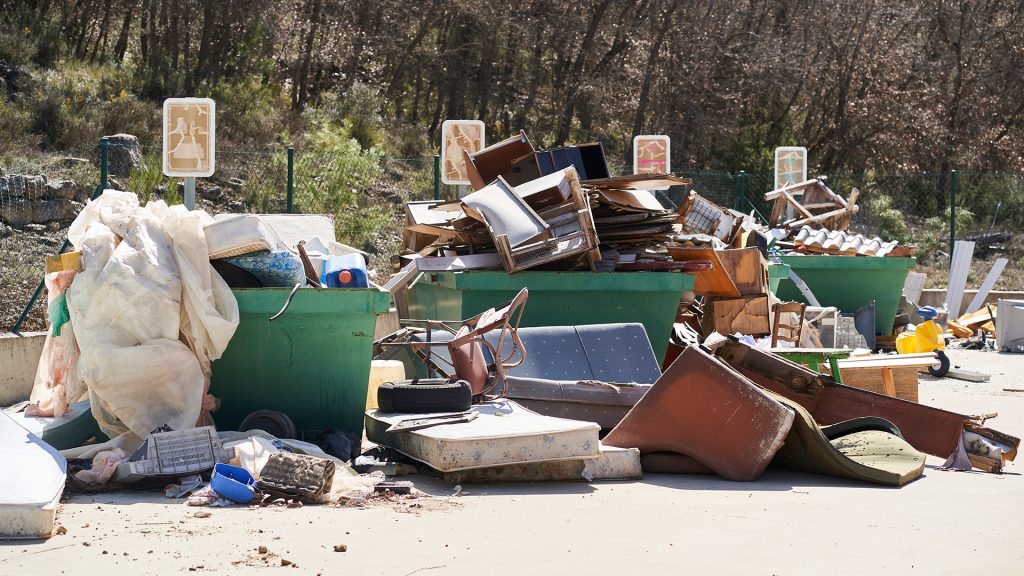
It covers much more than emptying bins. A typical Geelong event leaves behind:
- Food waste from caterers, food trucks and stalls
- Cardboard and packaging from deliveries and stallholder stock
- Cans, bottles and recycling from bars and drinks stations
- Set-up debris such as cable ties, tape, stakes and broken signage
- Bulky items such as pallets, crates, damaged furniture and marquee parts
- Stallholder waste left behind at the end of trading
Venues often have hand-back conditions attached to your hire agreement or permit. Check yours before the event, because they set your deadline and your standard of “clean”.
The Night Before: Set Up for an Easier Morning
The easiest cleanups are planned before the gates open. Book your pickup in advance, tell your removal team the event timeline, brief stallholders on what they must take home, and set up clearly labelled collection points so waste is partly sorted by the end of the night.
A few decisions made early save hours later:
- Book the pickup ahead. Early next-morning collections and evening clearouts are available across Geelong, but they fill up around busy event weekends.
- Share your timeline. Tell the crew when the event ends, when bump-out finishes and when the venue must be handed back.
- Brief stallholders. Make it clear in writing that they take their own stock, gazebos and rubbish, and name a stallholder cleanup cut-off time.
- Set collection points. Keep one area for cardboard, one for recycling and one for general waste, close to where a truck can load.
Every stream you sort on the night is one less job at 6 am.
The Morning-After Checklist
Work in five stages: secure the site, walk the grounds, sort waste into streams, load and remove it, then sweep and inspect. Following the same order every time stops things being missed and gets the venue back to its owner on schedule.
1. Secure the site (first 15 minutes)
- Check gates, power and water are safely off or handed over
- Collect any lost property and valuables in one place
- Note any damage and photograph it before cleanup starts
2. Walk the grounds
- Walk the whole footprint, including car parks, toilets, entrances and back-of-house areas
- Flag broken glass, sharp items and anything hazardous for careful handling
- Mark bulky items such as pallets, crates, furniture and signage for the crew
3. Sort into streams
- Recycling: cans, bottles and clean plastics
- Cardboard: flattened and stacked
- Food waste: bagged and sealed to stop smells and pests
- General waste: everything that can’t be recycled
- Bulky items: stacked near the loading point
4. Load and remove
- The removal crew loads everything that’s going, so your team isn’t lifting heavy items
- Confirm with the crew before loading that no hired equipment, such as marquees, tables or chairs, goes in the truck by mistake
5. Sweep, inspect and hand back
- Sweep hard surfaces and do a final litter pick on grass
- Photograph the cleared site for your records
- Walk the venue with the manager if your hire agreement requires a hand-back inspection
Sorting Event Waste: What Goes Where
Sort event waste into recycling, cardboard, food waste, general waste and bulky items. Sorting keeps recyclable material out of landfill and makes collection faster. Hazardous items such as chemicals and gas bottles need separate, specialist disposal.
Waste type | Typical sources | Best route |
Cans and bottles | Bars, drinks stalls, bins | Recycling; eligible drink containers can be returned for a 10-cent refund through Victoria’s Container Deposit Scheme |
Cardboard | Deliveries, stallholder stock, packaging | Flatten and recycle |
Food waste | Caterers, food trucks, bins | Bag and seal; remove early to avoid smells and pests |
Set-up debris | Tape, cable ties, stakes, broken signage | General waste |
Pallets and crates | Deliveries, staging | Reuse if in good condition, otherwise removal |
Marquees, furniture, signage (unwanted) | Set-up and staging | Removal; hired items go back to the supplier |
Chemicals, fuel, gas bottles | Food trucks, generators | Specialist disposal; not accepted by Brad Loads It |
Tip: A volunteer team collecting eligible containers can turn cleanup into a small fundraiser for clubs and schools.
DIY, Volunteers or Professional Cleanup?
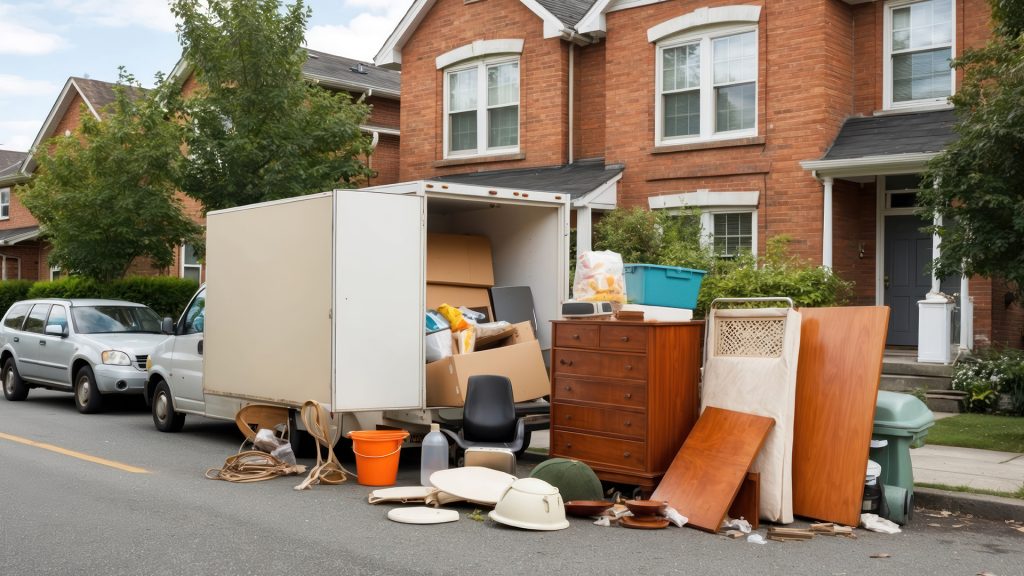
Small community events can often be cleared by volunteers with a trailer. Larger markets, festivals, weddings and sports days usually need a professional crew, because the volume, heavy items and hand-back deadline make DIY slow and risky.
Option | Best for | Strengths | Limits |
DIY with your own team | Small gatherings and private functions | No extra cost for labour | Tired helpers, multiple tip runs, limited vehicle space |
Volunteers | Club days, school fetes, fundraisers | Community spirit; container refunds can fund the club | Hard to roster for early mornings; injury risk with heavy lifting |
Professional crew (Brad Loads It) | Markets, festivals, weddings, expos, sports days | On-site loading, sweep and tidy included; early next-morning or evening pickups | No hazardous waste; book ahead for busy weekends |
What Does Post-Event Cleanup Cost in Geelong?
Brad Loads It charges $80 per cubic metre for event cleanup, and on-site loading plus a post-event sweep and tidy are included. The total depends on how much waste your event leaves behind, so good sorting and stallholder rules keep the bill down.
These examples use the published rate. The crew confirms the volume on the day.
Volume removed | Cost at $80 per m³ |
3 m³ | $240 |
5 m³ | $400 |
10 m³ | $800 |
15 m³ | $1,200 |
What pushes the volume up:
- Unflattened cardboard boxes, which take up far more space than they need to
- Stallholders leaving stock, gazebos or packaging behind
- Pallets, crates and broken furniture from staging
- Food waste mixed with recyclables, so the whole load is treated as general waste
Common Post-Event Cleanup Mistakes
The most common mistakes are leaving the pickup booking too late, not briefing stallholders, loading hired equipment by accident and skipping the final inspection photos. Each one costs time, money or your relationship with the venue.
- Booking late. Early-morning crews are in demand after big event weekends in Geelong.
- No stallholder rules. Without a written expectation, organisers end up paying to remove other people’s rubbish.
- Mixing everything. A single mixed pile is slower to load and harder to recycle.
- Forgetting the edges. Car parks, fence lines and garden beds are where litter hides.
- No photos. Before-and-after photos protect you if the venue raises a problem later.
Frequently Asked Questions
How soon after an event can the cleanup happen?
Brad Loads It offers evening and overnight clearouts, plus scheduled or early next-morning pickups. Book in advance and share your event timeline so the crew can arrive once bump-out is finished. That’s especially important for venues with an early hand-back deadline.
What types of events do you clean up after?
Markets, sports days, fetes, weddings, festivals, expos and outdoor activations. Service areas include the Geelong waterfront, the CBD, Eastern Gardens, local reserves, Armstrong Creek, Lara and Bannockburn.
Do I need to load the rubbish myself?
No, on-site loading is included, along with a post-event sweep and tidy. Your team only needs to tell the crew what stays and what goes, especially any hired equipment.
What won't be removed?
Hazardous waste such as chemicals, fuel containers and gas bottles is not accepted. Arrange specialist disposal for anything from food trucks or generators that falls into these categories.
How do I get a quote for post-event cleanup in Geelong?
Share the type of event, expected crowd, number of stalls or vendors, venue access and your hand-back deadline. You’ll get an upfront price based on the $80 per cubic metre rate. The final volume is confirmed on the day.
Can we reduce the cost by sorting waste ourselves?
Yes. Flattening cardboard, keeping recyclables separate and making stallholders take their own waste all reduce the volume that needs removing. Eligible drink containers can also be returned for refunds rather than thrown out.
Final Takeaway
The best post-event cleanup is booked before the event, sorted on the night and finished early the next morning. A clear checklist, firm stallholder rules and a professional crew get the venue back on time and in good condition.
Planning an event at the Geelong waterfront, Eastern Gardens or a local reserve? Brad Loads It handles the loading, removal and sweep-up. Call Brad on 0428 462 068 to book your post-event cleanup.